Across terminals, ports, offshore platforms, refineries, and petrochemical sites, one challenge quietly sits in the background of every operation: being ready for a spill, every single day.
Even experienced operators recognise the pressures linked to maintaining readiness. Keeping equipment up to standard, meeting regulatory expectations, and balancing budgets already stretched by other operational needs all require time and attention.
This often leads to a familiar question:
“Do we buy equipment outright… or is there a more flexible way to stay prepared?”
For many organisations, hiring equipment has become that flexible way.
Why more operators are turning to hire: a practical, cost-conscious alternative
Purchasing spill response equipment can seem straightforward — until the long-term picture becomes clearer.
- Upfront investment.
- Ongoing servicing.
- Storage requirements.
- Inspection cycles.
- Documentation demands.
These responsibilities continue whether the equipment is used frequently or only rarely.
Hiring offers a different model.
Instead of owning assets that require continuous upkeep, operators can access equipment that has already been serviced, prepared, and checked before delivery. This helps budgets stretch further, reduces long-term maintenance commitments, and supports the continued use of existing resources already in circulation.
For operators whose activity levels shift over time, or who manage a range of facilities with varying risk profiles, the hire model offers financial and operational flexibility that ownership does not always provide.
Reducing the unseen burden: admin, maintenance, and readiness pressure
Behind every piece of owned equipment sits a set of ongoing obligations: servicing schedules, maintenance records, inspection logs, storage planning, and readiness documentation.
These tasks are essential, but they also require time from teams who already have significant operational responsibilities.
Hiring can reduce much of this effort.
Before any hired equipment leaves the facility, specialist technicians complete the necessary inspection and servicing work. Assets arrive ready for deployment rather than requiring preparation.
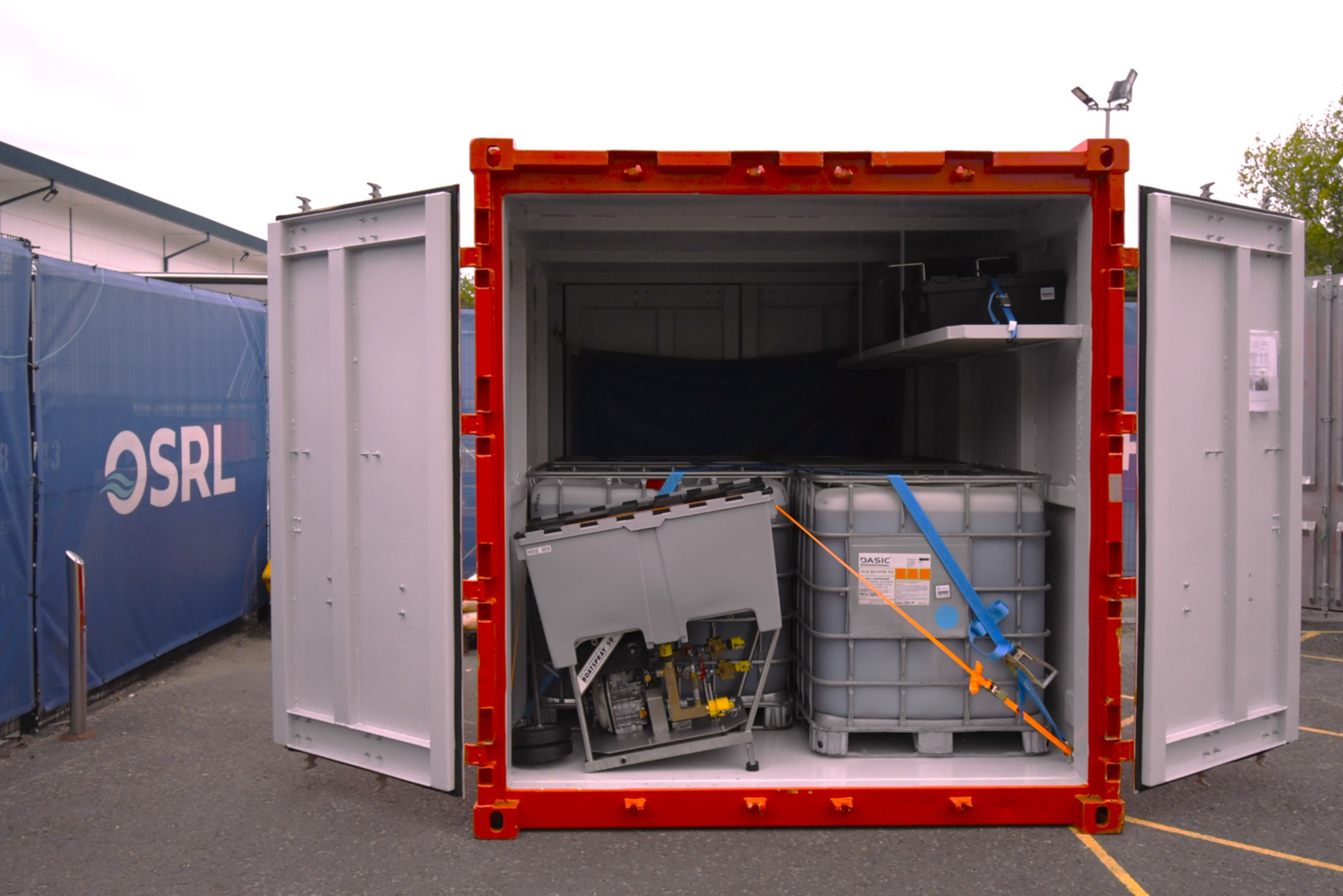
Pre-packaged or containerised systems support this further. They can be delivered, used, and returned without operators needing to manage storage, cleaning, or repacking processes.
The result is:
- less administrative work,
- fewer maintenance cycles to oversee, and
- increased confidence that equipment has been prepared in line with recognised procedures before arrival.
Flexibility that adapts to your operation - not the other way around
Every site carries its own risks. Every potential spill scenario is different. Operational requirements rarely stay fixed.
Purchasing equipment commits operators to a single level of capability, which may not always meet future needs.
Hiring allows organisations to adjust easily.
- Need a smaller package for routine preparedness?
- A larger one during periods of heightened activity?
- Specialist equipment for remote or complex sites?
The hire model can adapt to those requirements.
It also supports alignment with current industry practices. Instead of managing replacement or servicing cycles themselves, operators access equipment that has already been maintained and configured to recognised standards by the hire provider.
Partnering with specialists: the OSRL hire advantage
Working with a specialist hire provider involves more than simply receiving equipment.
For OSRL, hire packages draw on the organisation’s long history of maintaining, preparing, and deploying oil spill response equipment in a range of operational environments.
Before equipment is mobilised, trained technicians carry out servicing, testing, and readiness checks. This centralised preparation reduces the amount of work required by operator teams and supports consistency in how equipment is delivered.
Hire packages are designed to sit alongside the resources operators already have on site or to supplement larger stockpiles when needed. Because equipment is prepared in a consistent way, personnel can work with familiar layouts and configurations. OSRL also provides guidance and training where required, supporting safe and effective use of the equipment.
Refurbishment and responsible reuse: extending the life of assets
Many items within OSRL’s hire inventory undergo refurbishment and reuse as part of ongoing maintenance.
Hydraulic fittings, metal frames, and boom materials can be repaired or repurposed.
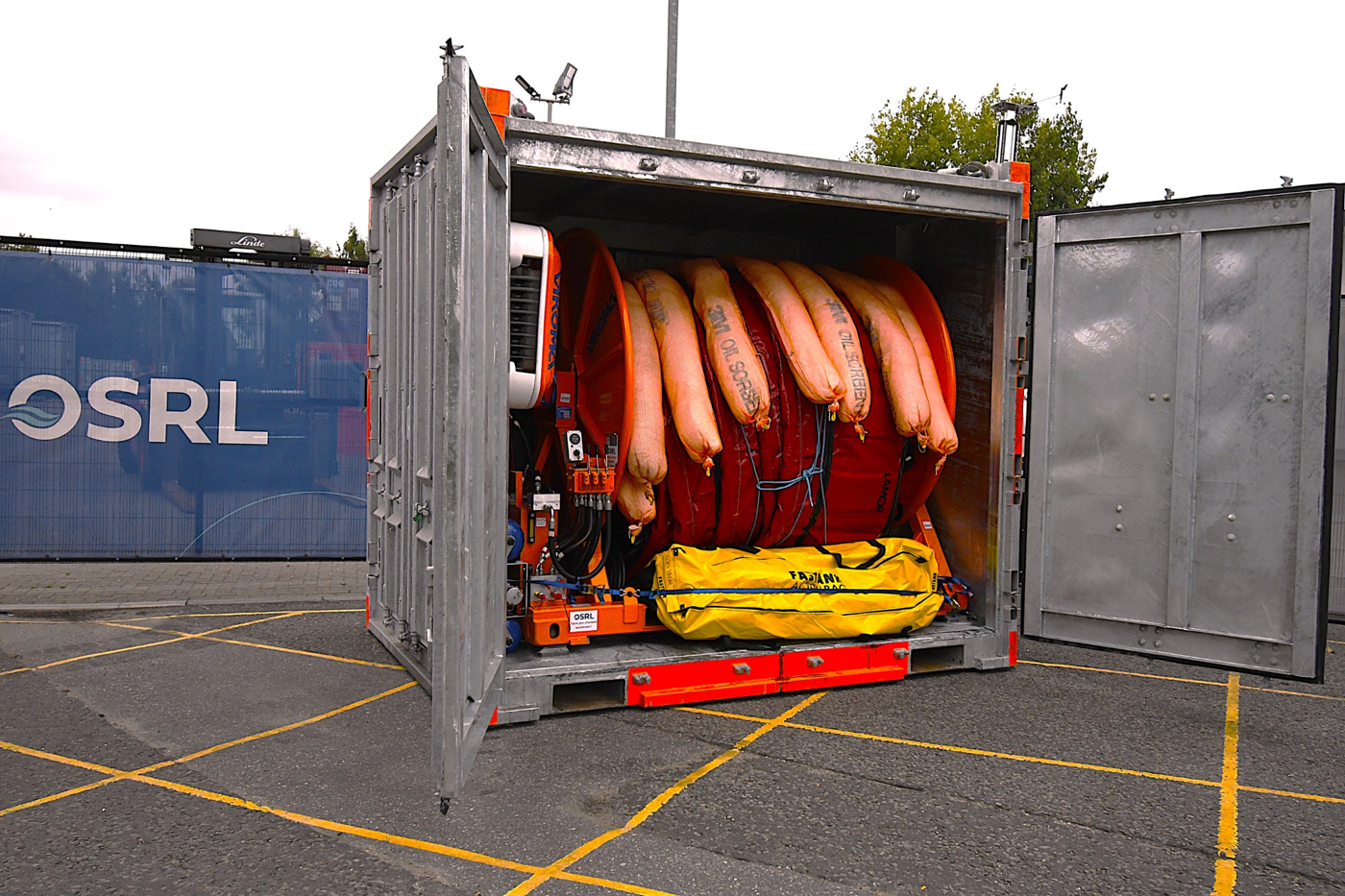
Reels can be stripped, repainted, and fitted with new hoses.
Rubber and neoprene components may be reconditioned or used for other applications.
These practices extend the lifespan of equipment already in inventory and reduce the need to discard materials that still have service potential.
The hire model benefits directly from this approach, as operators receive equipment that has been maintained through these refurbishment processes.

Supporting operators across diverse environments
For oil, gas, petrochemical, and marine operators, hiring spill response equipment provides a practical way to maintain readiness without taking on the commitments of ownership.
It offers:
- access to service-ready equipment prepared by trained technicians
- reduced administrative and maintenance effort
- flexibility to match capability to operational needs
- support from a specialist provider with long-standing experience
- a resource-efficient approach built on refurbishment and reuse
Across many operations, conditions change, activity levels fluctuate, and expectations evolve. But the need to remain prepared stays constant.
In this context, hiring offers a reliable alternative to ownership. It allows organisations to maintain the capability they need, when they need it, without the weight of long-term upkeep. By drawing on specialist support and established maintenance processes, operators can devote more time to daily operations while maintaining a steady level of spill response readiness.
In an environment where certainty is difficult to guarantee, and operational pressures shift over time, the hire model provides a clear and adaptable way to remain prepared - day to day, season to season, and across a wide range of scenarios.