

Effective oil spill response depends on people who can perform under pressure, adapt to complex conditions, and apply specialist skills safely and consistently. At OSRL, responder capability is built around the understanding that real-world incidents rarely follow a script. Our training model, therefore, goes far beyond classroom instruction. The programme combines structured competence frameworks, extensive practical learning, and continual development to ensure responders are ready for all incident types, in all environments.
Building competence from day one
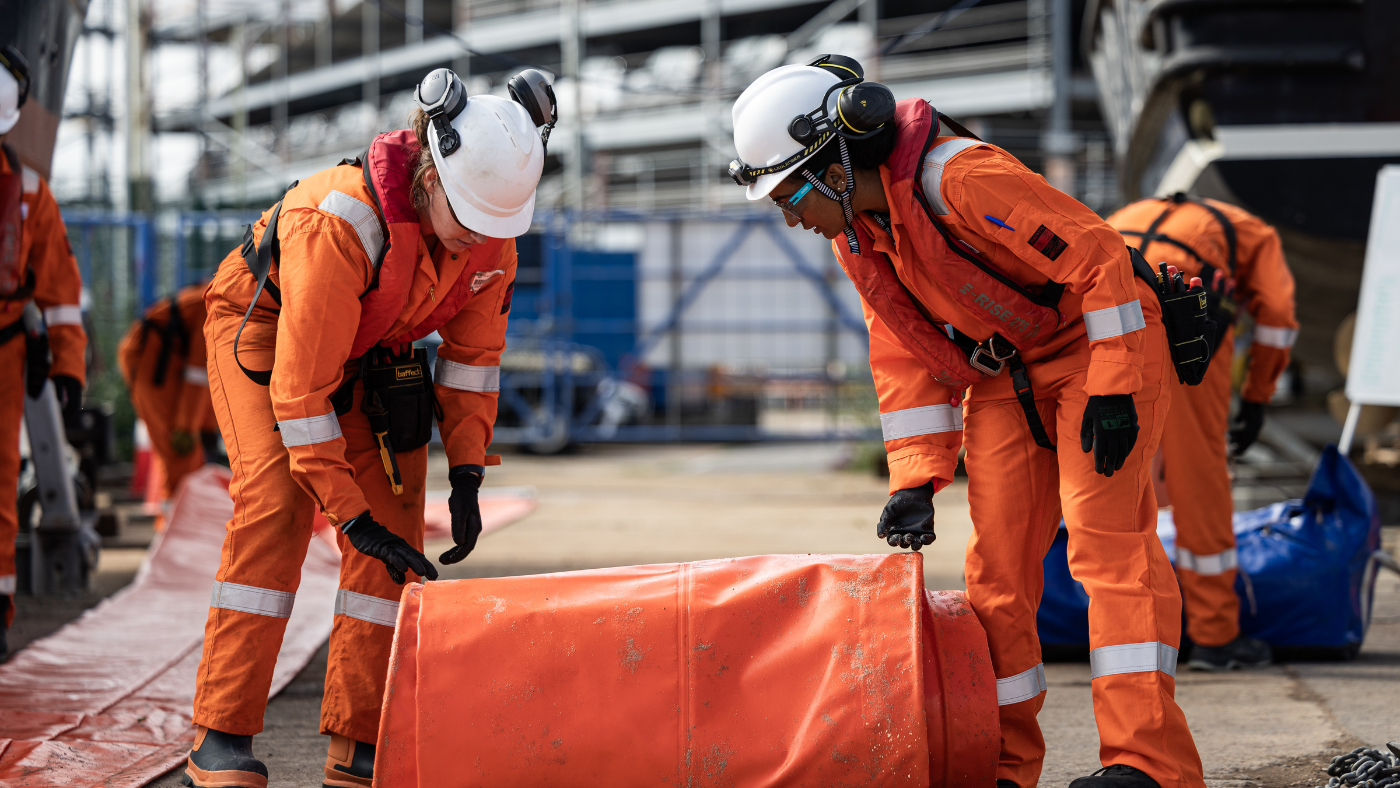
All our responders begin their careers with an intensive, twelve‑week Responder Training programme. This provides a common technical baseline for all operational staff and integrates classroom learning with practical application from the outset. Our responders work with real equipment, recover real oil, and are assessed continuously against clearly defined occupational standards.
Crucially, this early training is directly aligned with OSRL’s formal competence management systems, ensuring that learning is not theoretical but is evidently linked to operational performance. This creates responders who are not only trained, but also provably competent to support live incidents anywhere in the world.
Experience that mirrors reality
While initial training establishes core skills, operational readiness is reinforced through ongoing exercises, drills, and on‑the‑job development. Responders routinely take part in internal, client, and multinational exercises that range from simple notification drills to extended, multi‑day deployments involving personnel, vessels, and equipment.
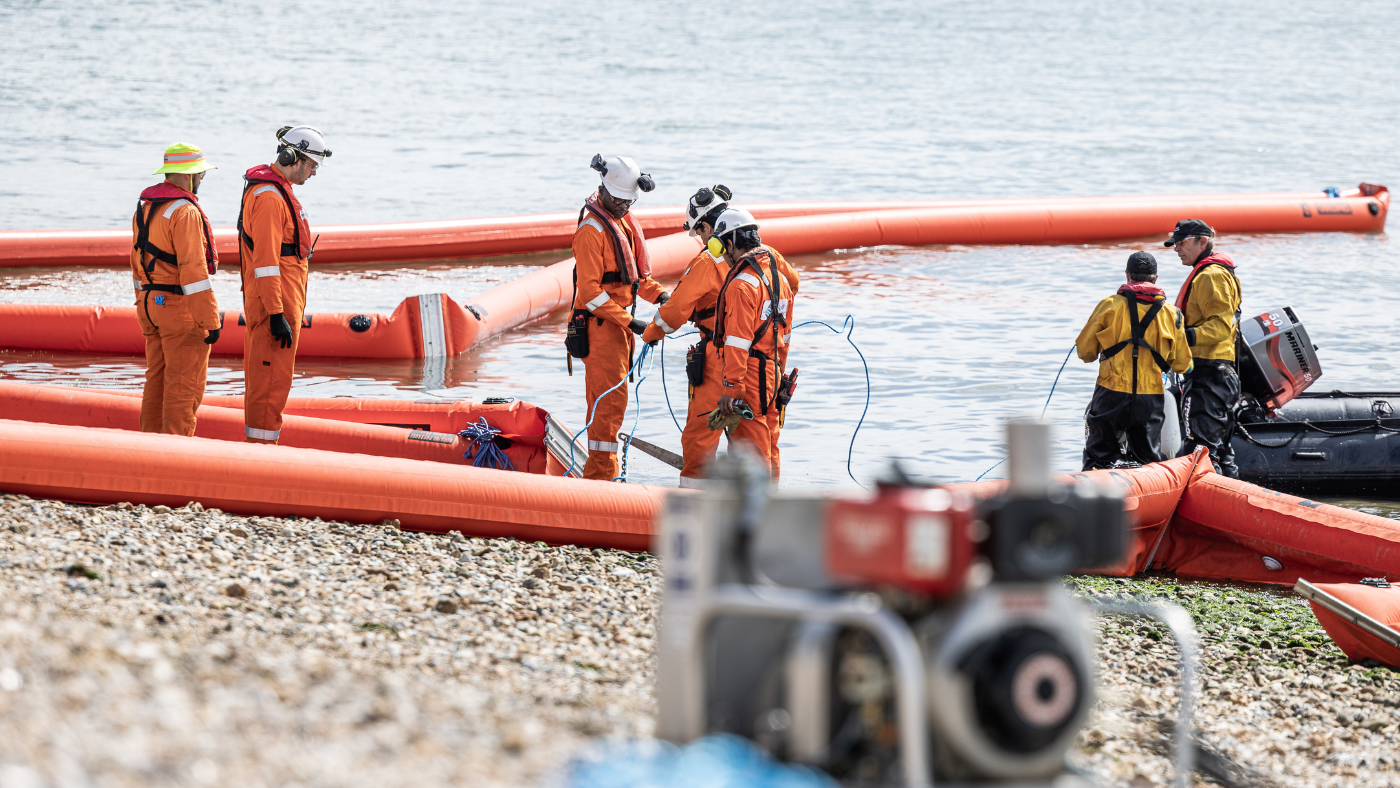
Specialised exercises, such as shoreline, inland, offshore, and incident management simulations, expose responders to the operational, environmental, and decision‑making challenges they would face during a real spill.
This continual exposure to realistic scenarios means responders are prepared not just for a particular type of spill, but for any incident that demands agility, sound judgement, and teamwork.
Specialist skills for complex incidents
As responders gain experience, OSRL provides structured pathways for advanced and specialist development. Specialist training includes incident management, dispersant operations, surveillance and modelling, shoreline assessment, cold weather response, and other high‑impact technical disciplines.
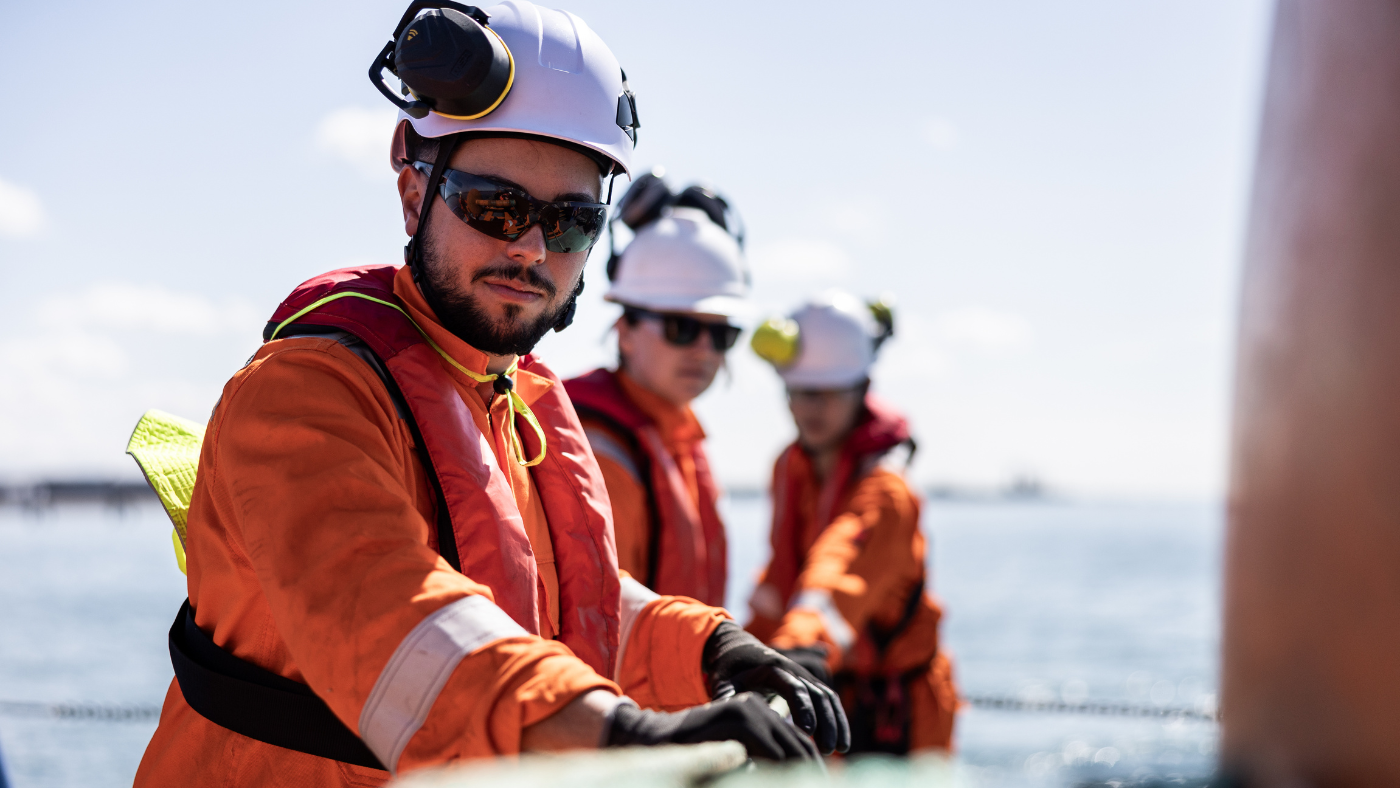
Responder development is further strengthened through the Subject Matter Expert (SME) pathway, which builds deep expertise in critical areas. This ensures that during an incident, responders can operate flexibly across roles or provide highly specialised technical advice where required.
The result is a globally deployable workforce able to operate effectively across offshore, nearshore, inland, shoreline, and command‑and‑control environments.
Confidence under pressure
Technical skills alone are not enough during major incidents. OSRL places strong emphasis on leadership, human factors, and performance under pressure. Responders are trained to recognise stress, maintain clarity, and make informed decisions during demanding situations.
Mental skills and leadership training complement technical development, helping responders manage fatigue, uncertainty, and competing priorities. This focus directly benefits members by ensuring that OSRL personnel remain effective communicators, thoughtful decision‑makers, and reliable partners throughout the response lifecycle.
Benefits for members
For OSRL members, this approach translates into confidence and assurance. Responders are not trained for a single scenario or environment; they are equipped to respond wherever and however an incident unfolds. Members benefit from experienced teams that are proven through regular training, exercises, and real deployments.
Beyond response, the same expertise underpins our external training offer. Client training courses draw directly from operational practice, exercises, and lessons learned, enabling organisations to improve their own preparedness, competency, and resilience. By training alongside operational responders or through tailored programmes, clients gain practical insight into spill response, decision‑making, and command structures.
A continuous commitment to readiness
OSRL’s training model is intentionally dynamic. Competence data is continually monitored, exercises refined, and training updated to reflect evolving risks, technology, and industry good practice. This ensures that responders, and the clients they support, remain ready not just for today’s incidents, but for the challenges of tomorrow.
In doing so, we reinforce a simple principle: effective response starts long before an incident occurs, and training is the foundation that makes real-world performance possible.


