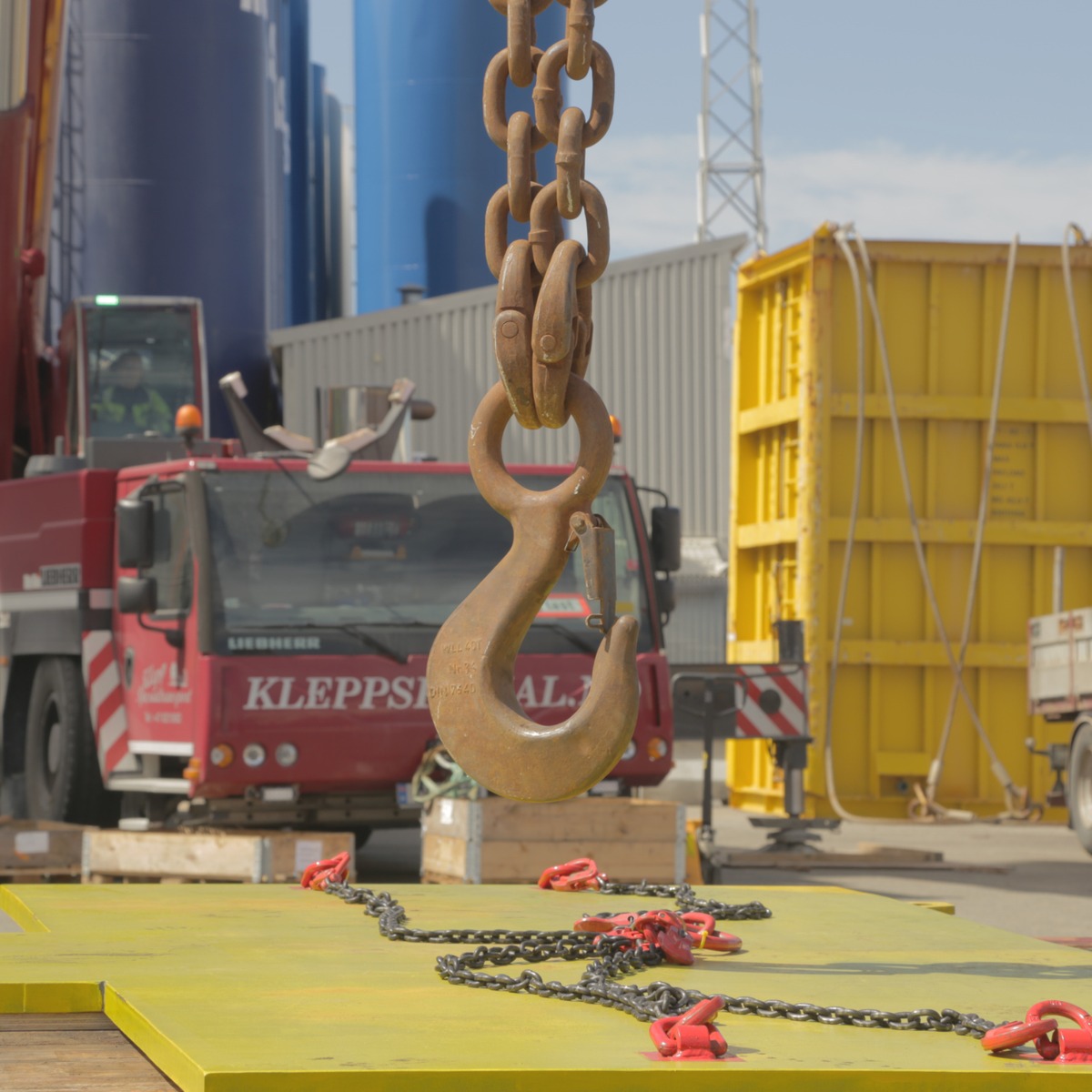

Turning plans into practical arrangements
Logistics Execution Planning supports operators in understanding how equipment, people and resources may be mobilised and deployed during a source control incident.
By examining logistics requirements and deployment pathways before an incident occurs, LEP helps identify potential constraints, improve preparedness and strengthen confidence in mobilisation arrangements.
LEP bridges the gap between response planning and response execution by considering the practical requirements associated with mobilising specialist equipment, personnel and supporting resources including deployment methods, transportation requirements and operational constraints. It helps organisations understand potential deployment challenges and identify actions that can be taken before an incident occurs.
Key facts
- LEP evaluates how people, equipment and resources could be mobilised during a source control incident.
- Planning activities assess logistics pathways, transport options and infrastructure requirements.
- LEP helps identify mobilisation constraints before an incident occurs.
- Reviews may include equipment assurance, deployment planning and logistics readiness assessments.
- LEP supports the transition from response planning to operational execution.
- Plans can be adapted to regional infrastructure, operating environments and asset-specific requirements.
What's included?
LEP may include
- Equipment assurance activities
- Mobilisation pathway development
- Deployment reviews
- Logistics readiness assessments
- Identification of logistics constraints and dependencies
- Transport and infrastructure reviews




FAQs
-
A preparedness activity that helps organisations understand how source control equipment, personnel and supporting resources may be mobilised and deployed during an incident.
-
Effective response depends on more than equipment availability. LEP helps identify logistics requirements and potential constraints before an incident occurs, supporting more efficient mobilisation and deployment.
-
Potential mobilisation constraints, deployment challenges, infrastructure limitations and logistics dependencies that may affect response activities.
-
Yes. Logistics arrangements, infrastructure, transportation options and mobilisation pathways may vary across assets and operating environments. LEP can be tailored to reflect regional considerations and operational requirements.
OSRL's global network of locations, response resources and specialist expertise can also help ensure regional deployment and mobilisation considerations are incorporated into planning activities
-
An LEP should be reviewed periodically to ensure it remains aligned with current operational conditions, logistics arrangements and response capabilities. Reviews may also be required following significant organisational, operational or infrastructure changes.
Typical review triggers may include:
- Changes to assets or operating environments
- Updates to equipment, response capabilities or deployment arrangements
- Changes to logistics pathways, transportation infrastructure or regional resources
- Lessons identified from exercises, assurance activities or incidents
- Changes to planning assumptions or operational requirements

Turning plans into practical arrangements.
Ready to strengthen your mobilisation and deployment planning?
Logistics Execution Planning helps organisations understand how specialist equipment, personnel and supporting resources may be mobilised and deployed during a source control incident. By identifying potential constraints before an incident occurs, LEP can help improve preparedness and strengthen confidence in response arrangements.
Simply fill in the form, and we'll get in contact with you.
If you would prefer to call us, pick up the phone to speak with our Preparedness Solutions Advisors and Country Representatives. We look forward to talking with you!
+44 (0)23 8033 1551
Regional numbers:
Asia Pacific
+65 6266 1566
Americas
+1 954 983 9880