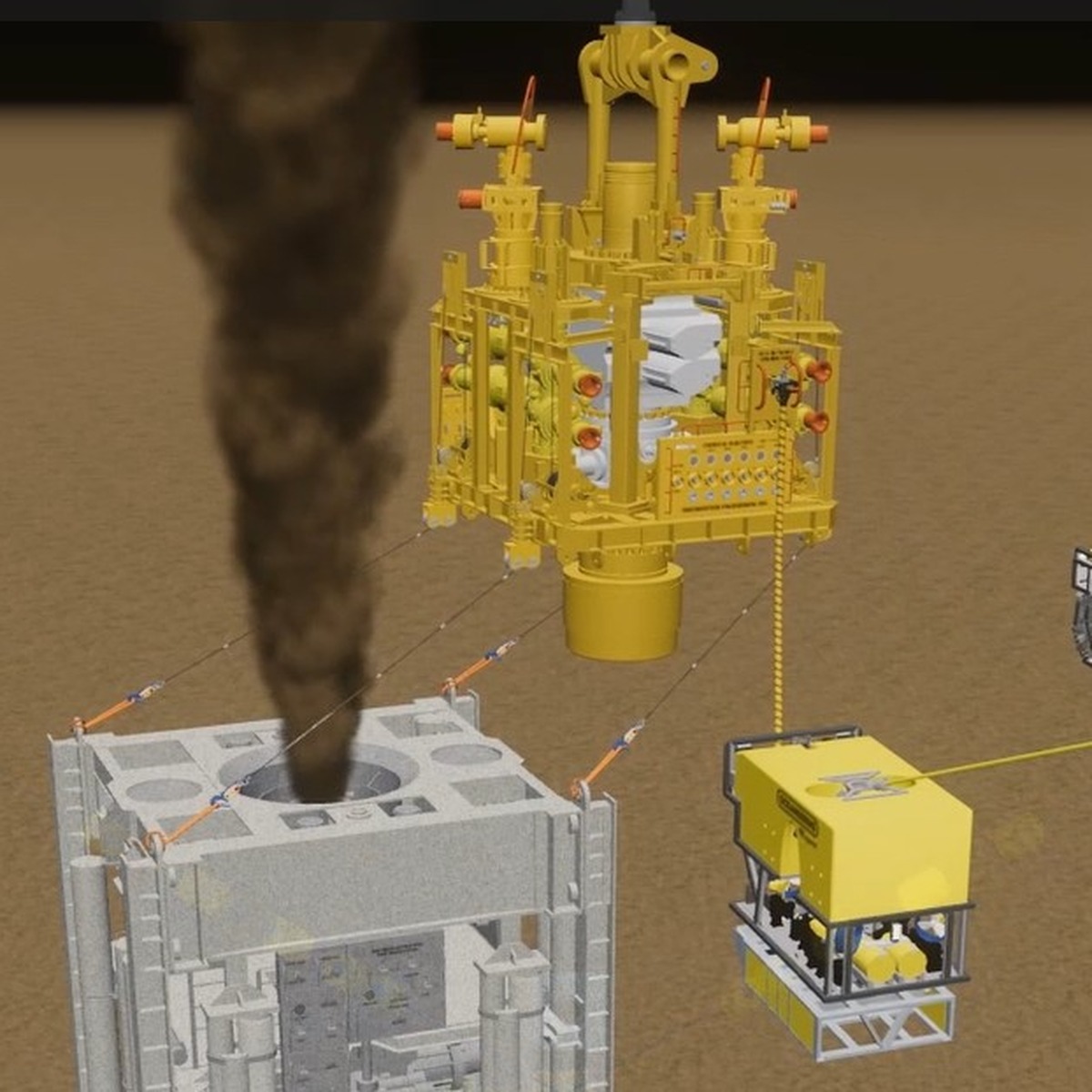
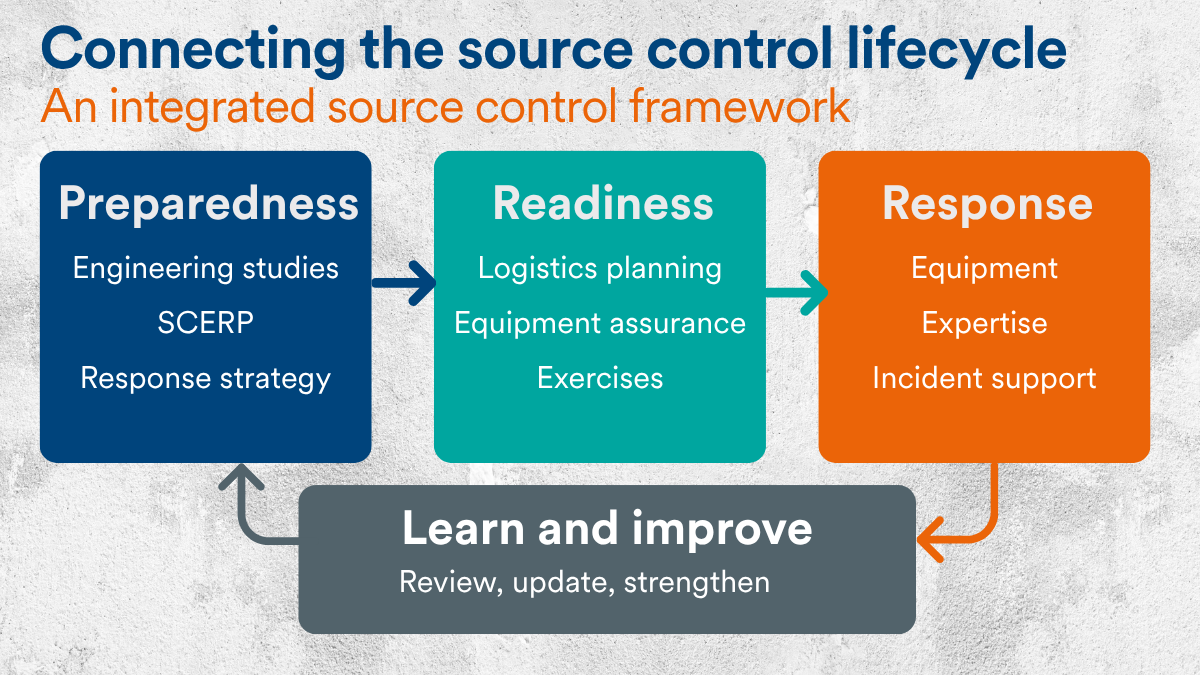
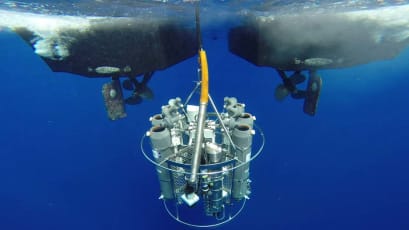
Subsea preparedness is the process of developing and maintaining the plans, technical assessments and response arrangements needed to support an effective response to a subsea incident. It forms a key part of an organisation's source control preparedness strategy.
Effective preparedness helps organisations understand potential response challenges, evaluate source control options and strengthen decision-making before an incident occurs.
OSRL's subsea preparedness services include engineering studies, Source Control Emergency Response Planning (SCERP), Logistics Execution Planning (LEP), exercises, assurance activities and preparedness reviews. Services can be delivered individually or as part of a wider programme.
Subsea preparedness helps organisations understand how source control strategies could be implemented in practice. Technical assessments, planning activities and logistics reviews help establish practical and achievable response arrangements.
Yes. Preparedness activities can be tailored to reflect asset characteristics, operating conditions, regional requirements and organisational priorities.
Exercises and assurance activities help validate plans, test assumptions and identify opportunities for improvement. They provide confidence that preparedness arrangements remain fit for purpose.
Preparedness arrangements should be reviewed periodically and whenever significant operational, technical or organisational changes occur to ensure plans and assumptions remain current.