OSRL participated in this year's ITAC event in Montreal, Canada, which was held alongside the International Oil Spill Science Conference (IOSSC) 2026. Our STSE Officer, Michael Hernandez, Team Leader, Bill Humphreys, and STSE Manager, Rob Holland, represented OSRL, engaging with the international oil spill response and scientific communities and contributing to technical discussions throughout the week.
IOSSC 2026 brought together more than 400 participants from 17 countries and six geographic regions, showcasing research conducted under the second phase of the Canadian Government's Multi-Partner Research Initiative (MPRI). The programme explored how additional spill response techniques could be incorporated into future planning and response scenarios in Canadian waters. Across four days, delegates shared more than 250 oral and poster presentations, alongside workshops, panel discussions and networking opportunities.
Together, ITAC and IOSSC provided an important platform for exploring emerging science and strengthening connections between researchers, industry and response organisations that help translate scientific understanding into practical capability.
Sharing 40 years of learning from TROPICS
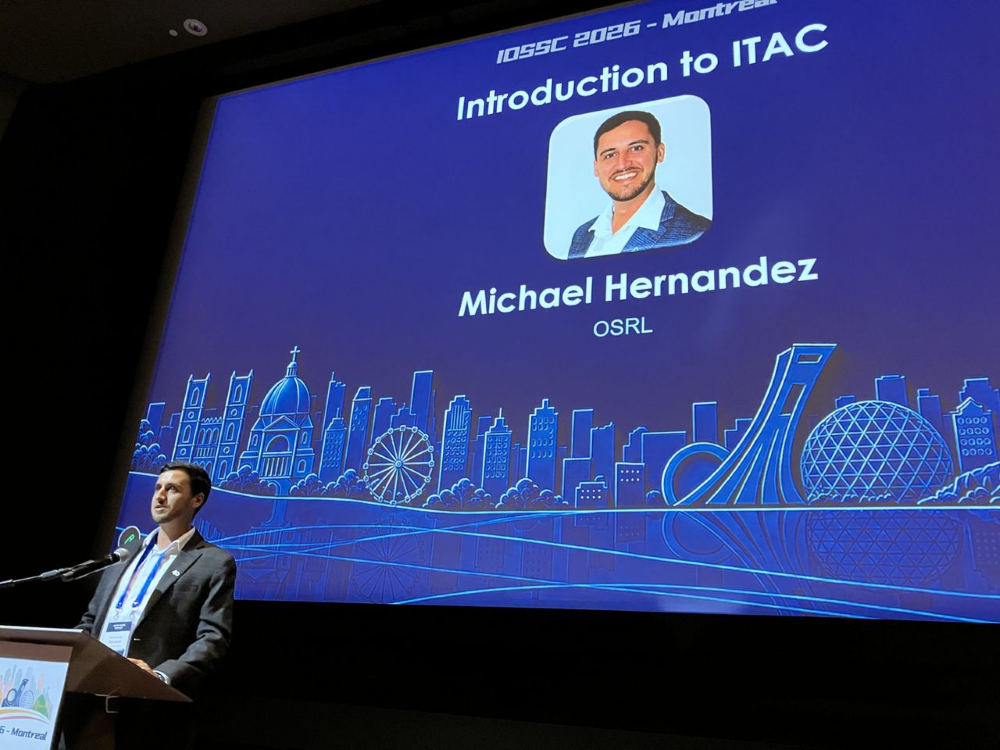
As part of our contribution to the ITAC programme, Michael Hernandez presented findings from the TROPICS 40 assessment.
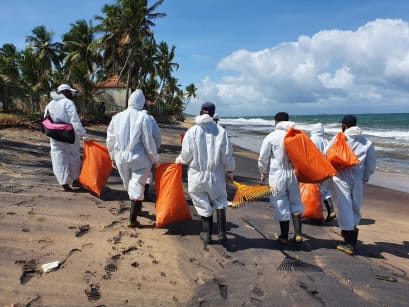
The presentation revisited the Tropical Oil Pollution Investigations in Coastal Systems (TROPICS) study and the recent return to the study area, examining the long-term environmental effects of oil and different response approaches over several decades. The work highlighted the value of long-term scientific studies in improving understanding of environmental recovery and response effectiveness.
The assessment also demonstrated the importance of preserving institutional knowledge and passing lessons learned to the next generation of spill scientists and responders.
Connecting science with operational response
A recurring theme throughout ITAC and IOSSC was the need to bridge scientific research with the realities of operational oil spill response.
This perspective was reflected in the Responder Roundtable led by Bill Humphreys, which brought operational response experience into broader conference discussions. The session explored the role of response organisations and highlighted the importance of ensuring that advances in science, technology and innovation remain relevant to the practical requirements of preparedness and incident response.
The conferences also provided an opportunity to challenge established thinking, better understand emerging research and consider how new technologies and scientific developments can support future decision-making.
Building relationships across the response community
Alongside the technical programme, ITAC and IOSSC provided valuable opportunities for networking and collaboration.
For OSRL, the events offered a platform to strengthen existing relationships, develop new connections and exchange ideas with scientists, industry representatives, government organisations and response practitioners from around the world.
Conference events, including the Executive Committee Dinner, Opening Reception and Banquet Dinner, enabled delegates to continue conversations beyond the formal programme and reconnect with industry colleagues to explore opportunities for future collaboration.
These interactions remain an important part of international conferences, helping ensure the response community continues to share knowledge, experiences and perspectives that support collective preparedness and capability development.
Looking ahead
The insights, discussions and connections established at ITAC and IOSSC 2026 will continue to inform our work across science, technology, preparedness and stakeholder engagement.
One of the strongest messages from the conferences was that progress in oil spill response rarely happens in isolation. Meaningful advances are achieved when scientific evidence, operational experience and diverse perspectives are brought together and translated into practical solutions that strengthen preparedness and response capability.
During the conference, Rob Holland also participated in a panel discussion titled Building the Next Generation of Spill Response Professionals, moderated by Chunjiang An of Concordia University. The session explored career pathways, skills development and leadership for future spill response professionals.
ITAC and IOSSC once again demonstrated the value of international collaboration, providing OSRL with an opportunity to share its experience while bringing new ideas, knowledge and relationships back into the organisation.
Looking ahead, ITAC will return to the UK in autumn 2027, with further details expected to be announced soon.
Interested in future ITAC events?
Visit our ITAC events page to explore upcoming events and view information from previous ITAC conferences and workshops.