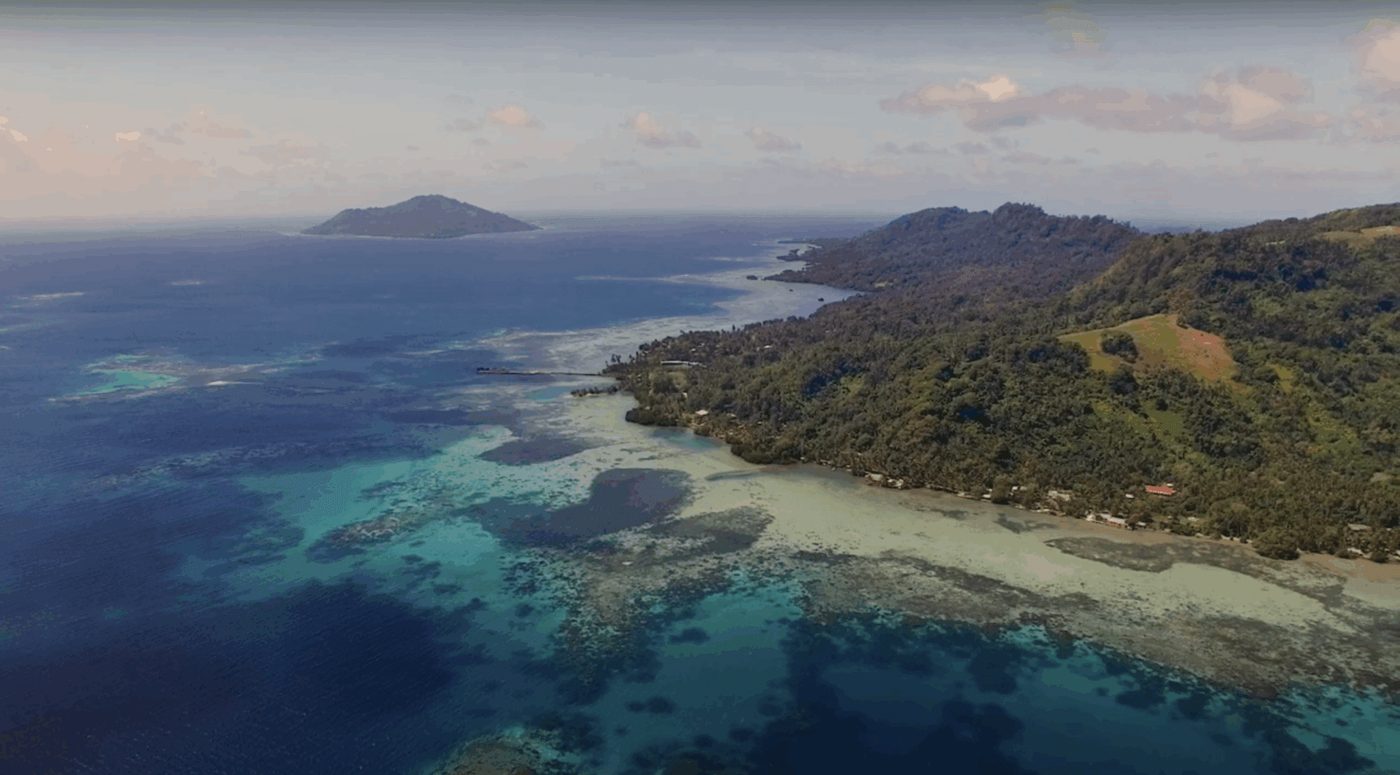
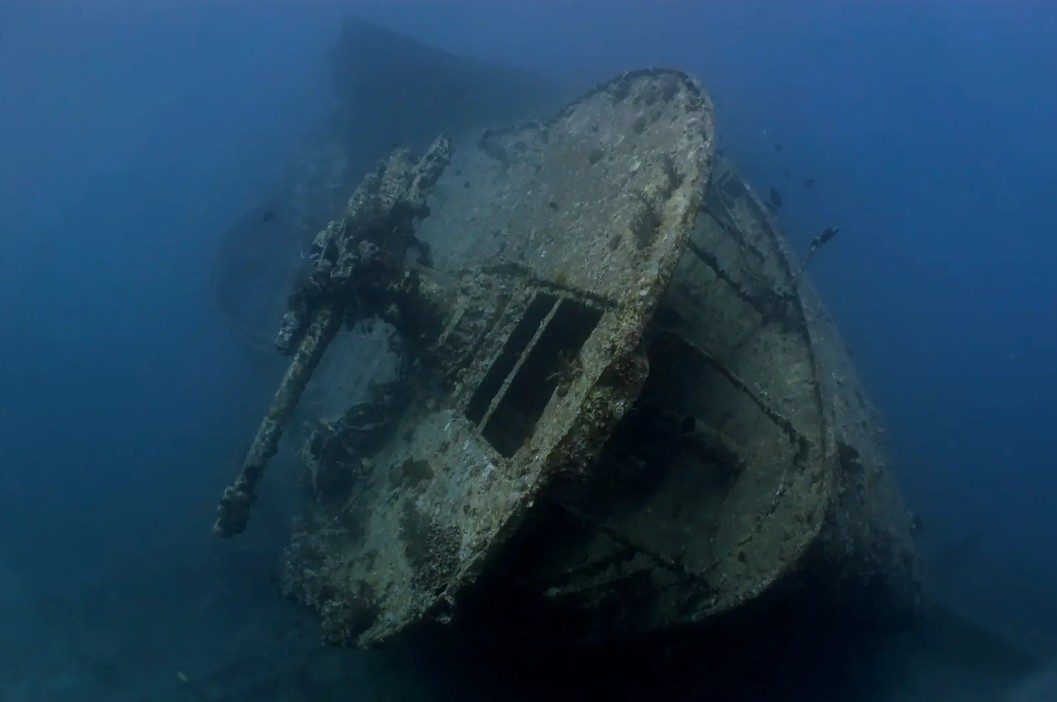
Deteriorating shipwrecks from past conflicts present an escalating environmental risk that has largely operated below the threshold of public awareness. Current estimates suggest that more than 8,500 potentially polluting wrecks (PPWs) lie on the ocean floors worldwide, containing an estimated volume of between 2.5 and 20 million tonnes of oil, which is up to 500 times the volume released during the Exxon Valdez incident. Many of these vessels have been submerged for over a century, and accelerating corrosion combined with changing ocean conditions means the question is increasingly when, not if, these wrecks will release their contents.
Project Tangaroa represents one of the first systematic international efforts to address this challenge through multidisciplinary collaboration. The initiative brings together marine scientists, archaeologists, salvage professionals, legal experts, spill responders, and policymakers to develop coordinated frameworks for managing PPW risks before they escalate into major pollution incidents. OSRL's participation as one of the few response organisations in the project provides operational grounding for the theoretical frameworks being developed.
The complexity of the PPW challenge
PPWs present a unique convergence of technical, legal, cultural, and operational challenges that distinguish them from conventional spill scenarios. Unlike operational vessels with clear ownership and insurance frameworks, many wrecks involve ambiguous jurisdiction, war graves protection, unexploded ordnance, unknown cargo manifests, and fuel that has aged in ways that affect its behaviour during release.
Recent incidents demonstrate the real-world implications. OSRL has responded to two PPW releases in the English Channel over the past five years, each requiring multi-million-pound response efforts involving coordinated mobilisation of specialised equipment, personnel, and waste management logistics under challenging safety conditions. The Rio de Janeiro Maru release in Micronesia illustrated how oil reaching fragile shorelines affects fisheries, tourism, and remote communities where response logistics are particularly challenging. Without coordinated preparedness frameworks, future incidents risk generating tens of millions in response costs alongside long-term ecological damage.
The deterioration timeline is accelerating. Heavy fuel oils interact with seawater over decades, while structural corrosion compounds with each passing year. Climate-related changes in ocean conditions may further accelerate degradation rates in ways we don't yet fully understand.
Knowledge exchange through structured collaboration
Project Tangaroa's workshop structure addresses the reality that PPW management requires expertise that rarely intersects in operational settings. Each workshop explores a specific dimension while building toward integrated solutions:
Workshop 1 focused on governance and regulatory frameworks, examining global responsibility gaps and cooperation pathways between governments, regulators, NGOs, legal experts, and international agencies.
Workshop 2 addressed technology and methodologies, bringing together academics, salvage specialists, and response professionals to evaluate detection methods, assessment tools, modelling approaches, and intervention techniques.
Workshop 3 tackled cultural heritage data management, engaging heritage institutions and researchers on how to record, store, and share information about culturally significant wrecks while balancing preservation with safety priorities.
This structure creates dialogue between communities that typically operate in parallel: archaeologists concerned with heritage preservation, salvage teams focused on engineering solutions, responders managing pollution mitigation, and governments navigating legal responsibilities.
Translating response experience into preparedness frameworks
OSRL's involvement in Project Tangaroa draws on four decades of preparedness and response experience across hundreds of incidents. This operational perspective helps ground theoretical frameworks in the realities of implementation that desktop planning often overlooks.
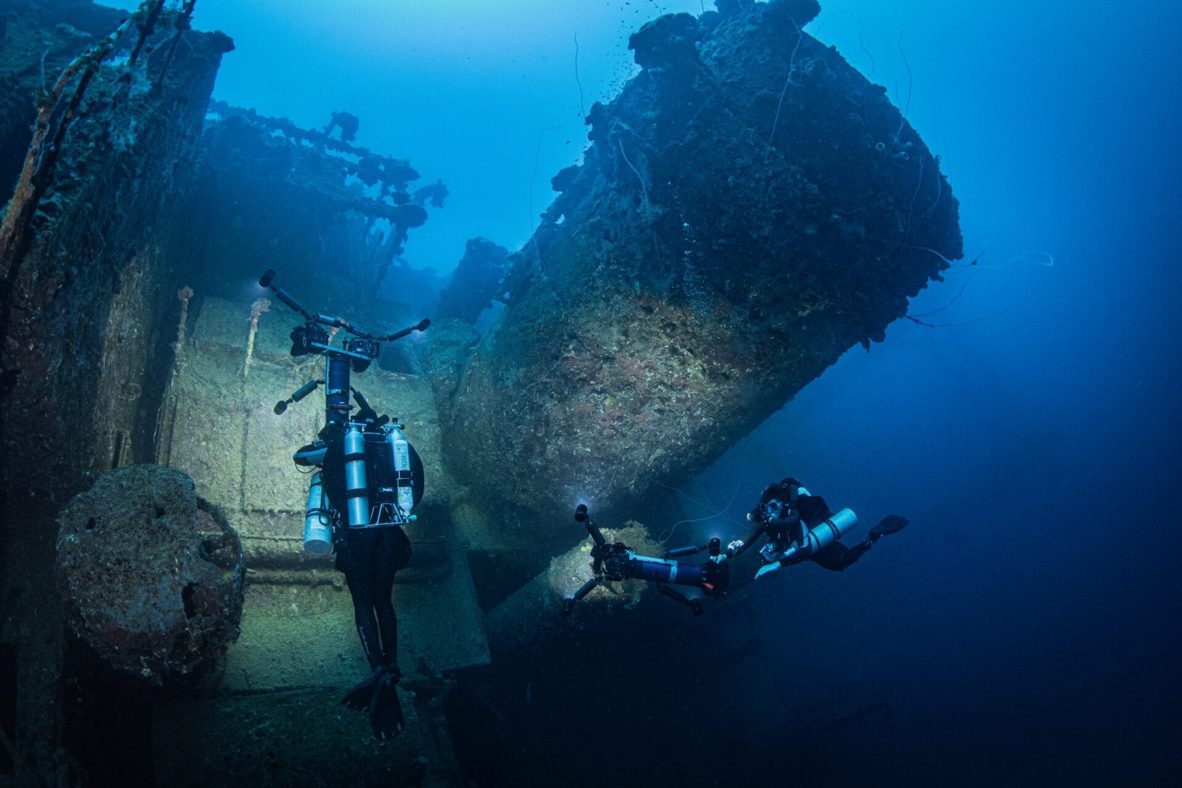
Working above unexploded ordnance requires fundamentally different safety protocols than those used in standard offshore operations. Equipment mobilisation to remote locations involves logistics challenges that affect response timelines and costs. Aged heavy fuels behave differently from fresh crude, their altered viscosity, emulsification characteristics, and response to treatment agents affect clean-up strategy selection. Shoreline response in areas with limited waste management infrastructure requires creative solutions that balance environmental protection with local capacity constraints.
OSRL's contributions to workshop discussions have focused on how the fate, effects, and characteristics of aged oils differ in both at-sea and shoreline environments. Understanding these properties informs the selection of intervention strategies and helps prioritise which wrecks pose the highest environmental risk based on cargo type, location, and degradation state. Environmental resource mapping for remote or sensitive areas, drawing on OSRL's global operational footprint, provides context for understanding response logistics challenges in regions where PPW concentrations are highest.
These operational insights have proven eye-opening for project participants unfamiliar with the practical realities of at-sea intervention and coastal clean-up. Workshop discussions revealed gaps between what salvage engineering can theoretically achieve and what's safely achievable given sea states, working depths, structural integrity concerns, and the presence of munitions. Similarly, legal experts gained insight into how jurisdictional ambiguities impact real-time decision-making during active releases, when response windows are measured in hours rather than days.
Building capacity beyond traditional industry boundaries
One significant outcome of Project Tangaroa is the transfer of knowledge to coastal nations that may be deprived of established spill response infrastructures. Many PPWs lie in the waters of countries that lack the technical capacity or financial resources to manage major releases independently. The project creates pathways for these nations to access expertise, understand preparedness options, and participate in developing regional cooperation frameworks.
OSRL's regional presence through its global membership network provides perspective on varying levels of local capacity across different geographies. What works in regions with established maritime infrastructure may need significant adaptation for remote island nations or areas with limited industrial capabilities. This experience helps shape recommendations that account for real-world constraints rather than assuming uniform capability levels.
The collaborative approach addresses a broader environmental risk that affects communities regardless of their connection to oil and gas activity. When PPW oil reaches coastlines, affected communities focus on immediate damage rather than the wreck's historical context or legal complexity. Having frameworks, resources, and relationships in place before that moment arrives is essential, a core principle of OSRL's preparedness philosophy now being applied to PPW scenarios.
Integrating preparedness methodologies across disciplines
The most valuable insights emerge when diverse perspectives converge on shared problems. Legal experts learn operational constraints that affect liability frameworks. Salvage professionals understand cultural heritage considerations that shape intervention approaches. Response specialists gain archaeological context that influences site access and documentation requirements.
Workshop discussions have explored established assessment methodologies, such as the Spill Impact Mitigation Assessment (SIMA). which can help planners and responders select the response option(s) that will best mitigate the overall impacts of an oil spill. These can be adapted for PPW scenarios, where intervention timing, heritage concerns, and munitions risks create unique decision-making parameters. OSRL's experience applying these frameworks across diverse incident types provides precedent for how they might be modified to address the additional complexity layers that PPWs introduce.
Similarly, offshore containment and recovery techniques require modification when working around deteriorating structures that may collapse during intervention attempts. Industry good practices developed for operational vessel responses serve as a foundation; however, PPW-specific considerations, such as structural integrity, ordnance presence, and archaeological preservation requirements, demand adapted approaches.
Addressing responsibility and funding challenges
A fundamental challenge that Project Tangaroa must navigate is establishing responsibility for wrecks where traditional ownership and liability frameworks don't apply. War graves, vessels from defunct companies, and ships with unclear flag state status create legal ambiguities that complicate both funding and authority for intervention.
Workshop discussions reveal no simple answers, but they're building shared understanding of the options: flag state responsibility, coastal state authority, international trust mechanisms, industry-supported intervention funds, or hybrid approaches that combine multiple pathways. OSRL's perspective, gained from working with multiple stakeholders, governments, industry members, and local authorities across various regulatory environments, helps inform how funding mechanisms affect preparedness in practice.
Working through these questions now, before major incidents force rushed decisions, strengthens the likelihood of coordinated rather than fragmented responses. It also helps identify where preparedness investments deliver the highest risk reduction returns.
Looking ahead
The project's next phase will test whether the frameworks developed through workshops can be effectively translated into coordinated action. This requires moving from knowledge exchange to implementation, pilot assessments of high-priority wrecks, regional cooperation agreements, funding mechanisms for intervention work, and integrated response plans that address the full complexity of PPW scenarios.
OSRL's continued participation will focus on validating assessment methodologies through real-world applications, supporting capacity building in regions with high PPW concentrations, and ensuring that preparedness recommendations reflect achievable operational standards. The organisation's experience across preparedness, training, and response disciplines positions it to support the transition from framework development to practical implementation.
The environmental stakes are clear. The thousands of aging wrecks represent a distributed risk that will only intensify as corrosion continues. Project Tangaroa demonstrates that addressing complex environmental challenges requires bringing together expertise that typically operates in isolation. By creating structured dialogue between disciplines and ensuring that dialogue includes those who will ultimately execute response operations, the initiative builds toward solutions that balance heritage preservation, environmental protection, technical feasibility, and legal reality.