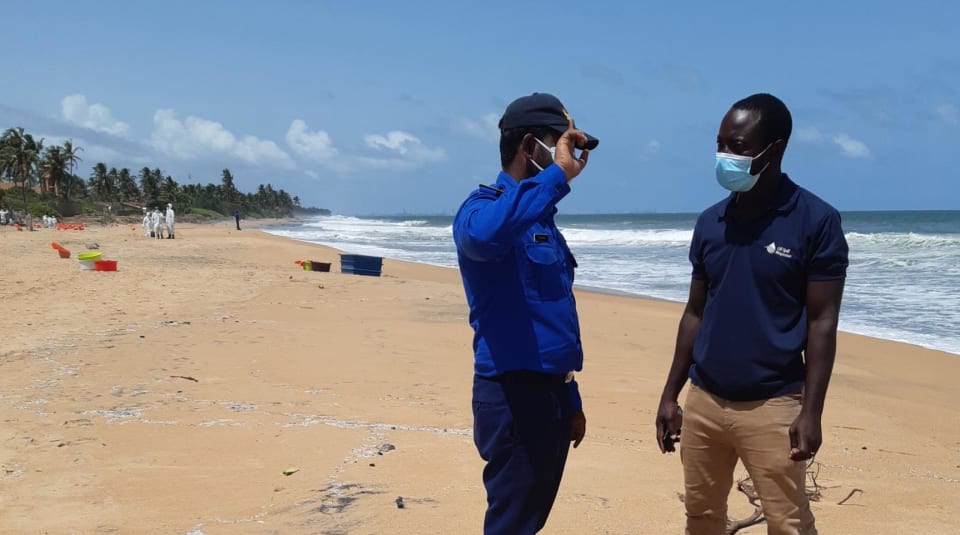
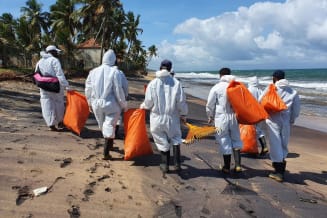
Managing plastic pellets incidents: operational guidance for effective shoreline clean-up
Plastic pellet spills pose a complex response challenge due to their small size, persistence, and tendency to disperse widely across coastal and nearshore environments. Effective plastic pellets clean-up relies on early planning, accurate assessment, and response techniques matched to shoreline type, sensitivity, and contamination levels. The Plastic pellets clean-up field guide provides practical, operational guidance to support safe and effective recovery following a marine or coastal plastic pellets incident.
Covering the full response lifecycle, the guide supports responders and incident managers across key operational areas, including:
Health and safety considerations: Identifying hazards associated with plastic pellets clean-up, applying risk controls, and ensuring appropriate PPE, supervision, and site access.
Planning, modelling, and surveillance: Using trajectory modelling, aerial observation, and shoreline surveys to track plastic pellet movement and prioritise response actions.
Shoreline assessment and decision-making: Standardised survey methods to assess distribution, concentration, and environmental sensitivity, supporting NEBA-based response decisions.
Clean-up strategies and techniques: Practical guidance on bulk removal, contamination reduction, and final polish methods suitable for different shoreline environments.
Waste management and sampling: Safe segregation, storage, sampling, and documentation to support disposal, recycling, and regulatory requirements.
Recording and post-spill monitoring: Consistent reporting and monitoring to evaluate clean-up effectiveness and inform longer-term environmental recovery.
Successful plastic pellets response depends on coordinated planning, appropriate clean-up techniques, and an understanding of how pellets behave in the marine environment. This guide equips response teams with clear, practical direction to reduce spread, limit environmental harm, and deliver proportionate, effective shoreline clean-up operations.
Download the resource
Sign in to MyOSRL
If you already have a MyOSRL account, please sign in first to access this content. It can also be found in the 'Members only content' section of your account.
If your organisation is reviewing its preparedness for plastic pellets incidents, or considering how existing shoreline response plans apply to this pollution type, OSRL can support discussion through training, exercises, and advisory services.