Tailored planning, training and response support to help offshore wind operators strengthen preparedness, build resilience and protect delivery across the asset lifecycle.
Protecting offshore wind projects in a rapidly evolving landscape
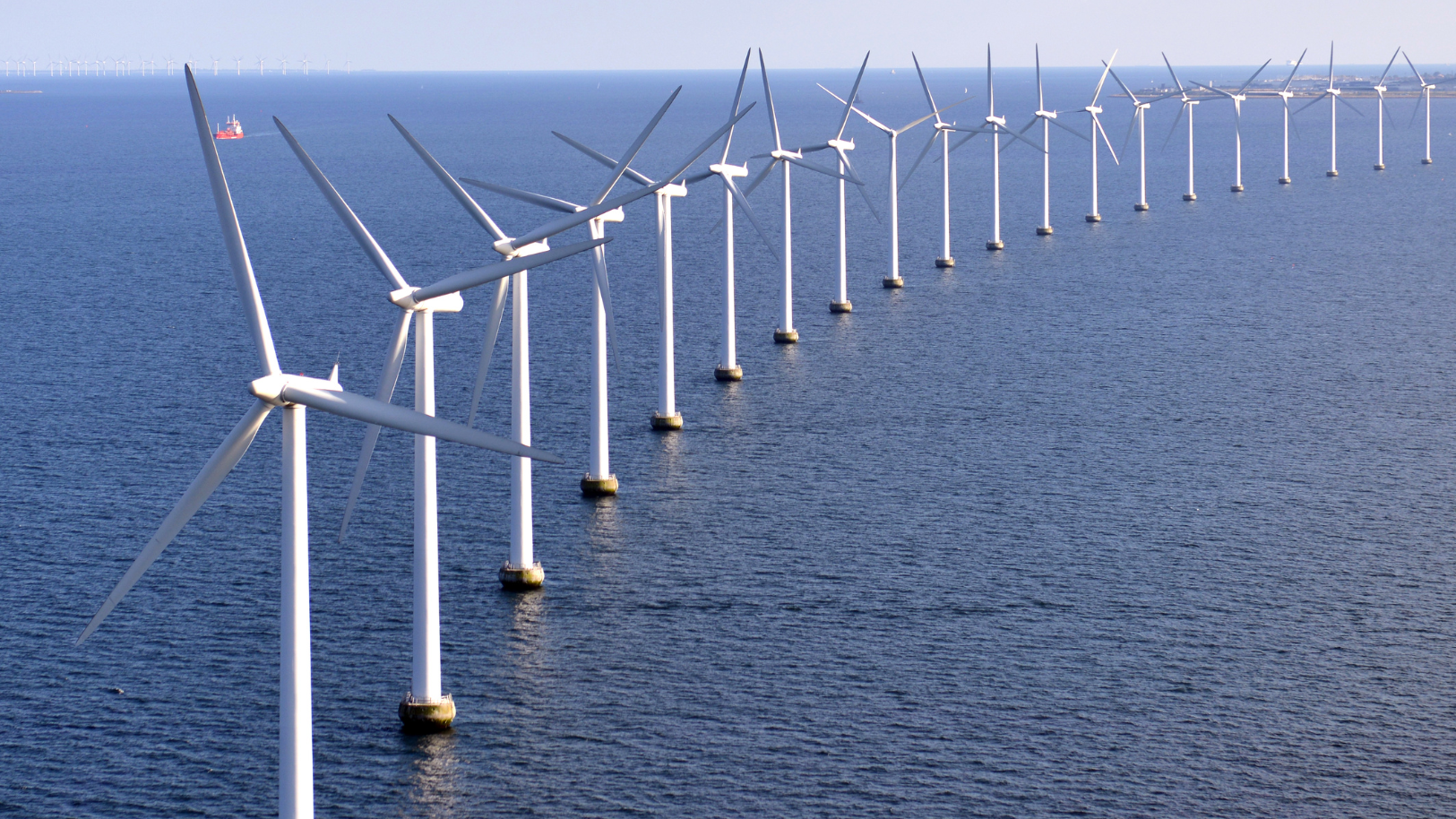
Offshore wind has become a defining part of the energy transition, with growth in the sector set to triple globally by 2030. This acceleration, further supported by international and global net-zero ambitions, faces greater operational, regulatory and reputational scrutiny across the world as the sector expands. Similar to any offshore construction activity, wind projects carry pollution risk, and even minor incidents can affect schedules, approvals and stakeholder confidence. With credible preparedness in place, operators can move forward with greater confidence, protecting project value while ensuring expert support is available when it matters most.
Watch: Introducing the Oil Spill Awareness for Offshore Wind Farms course
This short video introduces OSRL’s Oil Spill Awareness for Offshore Wind Farms course. It outlines the pollution risks associated with offshore wind activities and explains how the course builds foundational awareness of spill considerations, response arrangements and good practice across the offshore wind project lifecycle.
How does OSRL support the offshore wind industry?
OSRL brings more than 40 years of oil and gas spill response expertise to the offshore wind industry, adapting proven frameworks to support preparedness across planning, construction and operation. We assist teams in how to recognise credible spill scenarios, strengthen crisis readiness, and put fit-for-purpose plans in place that are practical, proportionate and aligned to regulatory expectations. It’s this extensive assessment of risk mitigation that helps operators secure approvals, maintain investor confidence, avoid delays and protect reputation.
Pollution risks in renewable energy projects like offshore wind should not be underestimated. Even minor fuel or oil spills are a real possibility, and in a sector under close public and regulatory scrutiny, when not dealt with correctly, they can affect confidence, compliance and project momentum. If an incident occurs, OSRL provides immediate access to the people, plans and resources needed to support an effective response
24/7 access to expert support if an incident occurs
Immediate connection to Duty Managers with full visibility of the right plans and resources
Access to strategically located bases globally
A dedicated advisory team to guide effective response and recovery
Watch: Introducing the Oil Spill Awareness for Offshore Wind Farms course
This short video introduces OSRL’s Oil Spill Awareness for Offshore Wind Farms course. It outlines the pollution risks associated with offshore wind activities and explains how the course builds foundational awareness of spill considerations, response arrangements and good practice across the offshore wind project lifecycle.
Over 40 years of global incident response experience
Proven record
More than 400 real incidents managed and thousands of exercises delivered, informing our offshore wind response strategies
Global capability
A comprehensive global response capacity that no developer could sustain alone
Protecting offshore wind projects at every stage
OSRL translates decades of spill preparedness and response experience into fit-for-purpose strategies for offshore wind projects. Our approach is practical, proportionate, and tailored to the realities of each stage of the asset lifecycle.
We support contingency planning, standby readiness and response coordination during construction, when vessel activity and spill risk are at their highest
We develop fit-for-purpose preparedness strategies for a range of offshore wind scenarios, including floating turbines and mooring line failures
We help operational teams build incident and crisis management capability where in-house experience is limited, strengthening confidence and resilience
We support wildlife response planning and proportionate spill preparedness during vessel-intensive decommissioning activity
The Hai Long Offshore Wind Project in Taiwan
In 2023, OSRL was contracted by Hai Long to develop a Marine Pollution Emergency Response Plan for the construction phase of its offshore wind project in Taiwan. The work delivered a clear and effective response framework, strengthened spill readiness, and supported Hai Long in securing OSRP approval from the OCA. It also helped introduce international response standards in a way that was practical and accessible for the local market.
We offer tailored training designed around the objectives of your offshore wind project. Our programmes are aligned to your challenges, risk profile and regulatory environment, and can be delivered in the format that works best for your organisation. Through training and exercises, we help teams strengthen incident and crisis management capability, build confidence and support long-term resilience across the asset lifecycle.
Yes. Our experience across a wide range of offshore projects in both deep and shallow water gives us a strong foundation for supporting offshore wind. We translate decades of spill preparedness and response knowledge into fit-for-purpose strategies for offshore wind environments and vessels, ensuring good practice remains relevant, practical and effective without overcomplicating systems.
Yes. We share lessons from oil and gas with organisations and regulators in the offshore wind sector, helping to shape regulations and promote good practice across the industry. With endorsement from authorities in APAC and Europe, we help reassure regulators, investors and stakeholders that environmental risks are being addressed through credible, visible preparedness, supporting critical approvals and helping projects stay on track.
Our experience spans crisis preparedness and management across areas, including subsea and wildlife response, and we have developed comprehensive plans for scenarios ranging from minor operational spills to more significant offshore incidents. We use this experience, together with our knowledge of offshore wind, to help project teams recognise credible spill scenarios, plan proactively, and put fit-for-purpose arrangements in place - without overcomplicating systems.