
Protecting wildlife during oil spills
Oil spills can pose a threat to wildlife, with birds, mammals, and reptiles at risk of contamination. Effective wildlife response is crucial to minimise harm, requiring a structured approach that includes prevention, intervention, and rehabilitation
Wildlife response involves a combination of proactive and reactive measures to prevent and mitigate oil spill impacts on wildlife. This includes monitoring wildlife in real-time, prioritising clean-up efforts to prevent oil from reaching sensitive habitats, deterring animals from entering oiled areas, and rehabilitating affected species. Pre-planning and early intervention are essential to ensure an effective response.
Our members have access to a suite of wildlife services under their core membership coverage. These services are delivered in collaboration with leading specialists.
Pre-planning is essential for effective oiled wildlife response. Are you prepared? Find out more about our wildlife response preparedness services, delivered collaboratively with our global wildlife partners.




Wildlife response services
Our wildlife services are included as part of our core membership coverage and are delivered with our wildlife partners. These services consist of immediate management advice from Sea Alarm, a four-person in-field assessment team through the Global Oiled Wildlife Response System (GOWRS) and response equipment specifically designed to support initial response efforts, for the search, rescue, medical, cleaning and rehabilitation needs of oiled wildlife. Find out more about each area of the service below.
Technical Advice
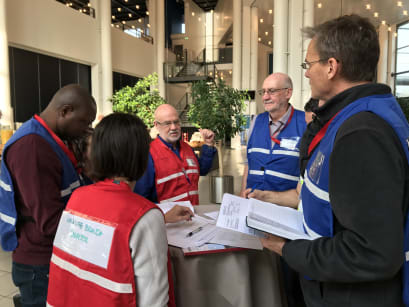
OSRL’s partnership with Sea Alarm gives members anytime expert wildlife response support, with one advisor deployable onsite and another providing remote technical guidance.
Oiled Wildlife Assessment
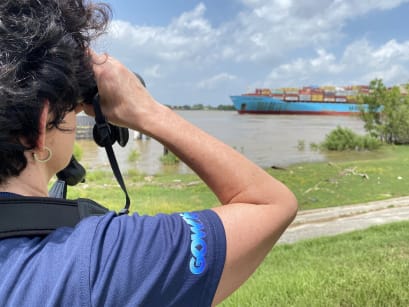
GOWRS delivers an expert-led wildlife assessment in four days, guiding OSRL members on response needs, local capacity, and next steps for full-scale mobilisation.
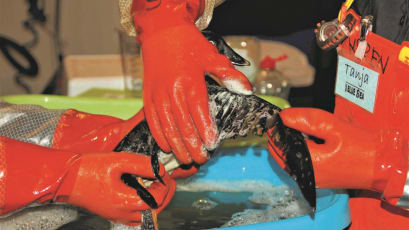
Tier 3 Wildlife Response Equipment
OSRL’s wildlife kits support the first 48 hours of response, with field and rehab equipment pre-positioned globally for rapid deployment when local access is limited.
Join the Wildlife Community
Are you an OSRL Member and passionate about protecting wildlife? Why not join the Wildlife Preparedness & Response Community of Practice - a dynamic group of energy companies, wildlife experts, international organisations, and government agencies working together to improve wildlife response preparedness. Share your experiences, learn from others, and help us make a real difference to global preparedness for wildlife emergencies, together.
Wildlife Response FAQs
-
Oiled wildlife response is the combination of activities that aim to minimise the impacts of an oil spill on wildlife (such as birds, mammals and reptiles). Minimising the impacts is achieved by preventing oiling where possible and mitigating the effects of oiling (Ipieca, 2014). The resource requirements and implications for the incident management and response are often underestimated. The importance of preparedness, including pre-planning and exercises, is therefore critical to implementing a successful wildlife response effort.
Potential wildlife response strategies include:
- Primary strategies to keep the oil away from animals.
- Secondary strategies to keep animals away from the oil.
- Tertiary strategies to mitigate the impact on oiled animals.
Further reading:
Key principles for the protection, care and rehabilitation of oiled wildlife | Ipieca
-
Prompt activation is essential for an effective wildlife response. Members can activate wildlife response services by contacting the OSRL Duty Manager through the usual activation process. Once notified, OSRL coordinates with Sea Alarm and GOWRS to mobilise expert personnel and equipment.
-
Both Sea Alarm and GOWRS play complementary roles during an incident. Sea Alarm provides strategic and tactical advice to support the Client’s Incident Management Team on wildlife response decision-making. The GOWRS team conducts an in-field oiled wildlife assessment and delivers a written report with recommendations for wildlife response strategies.
-
Incident owners should assign personnel to key wildlife response roles within the IMS, including a Wildlife Branch Director and Planning Section Liaison, to facilitate coordination with OSRL, Sea Alarm, and GOWRS.
-
Yes, incorporating Tier 3 wildlife response experts into exercises helps organisations test their wildlife response capabilities which is integral for preparedness activities. Sea Alarm and GOWRS offers limited free exercise support remotely, with personnel available to participate in-person based on a day rate charge.

The importance of pre-planning for effective oiled wildlife response
Effective wildlife response requires proactive pre-planning and long-term preparedness efforts, to be able to act swiftly and effectively when wildlife is impacted. A pre-developed wildlife response plan, integrated within your broader oil spill contingency plan, provides the foundation for fast, coordinated action. We, along with our wildlife partners, can support you in designing comprehensive wildlife response plans that outline notification procedures, mobilisation protocols, and tiered resource allocations, to enable swift mobilisation and optimal use of resources based on tiered response and good practice.

Accessing this service is quick and straightforward
As an OSRL member, we can guide you through the use of this service alongside your ongoing incident.
As part of your core membership coverage, you can use this service by calling the Duty Manager or contacting us for more information.
Simply fill in the form, and we'll get in contact with you.
If you would prefer to call us, please pick up the phone to speak with our Duty Manager. Please always call for instant technical advice on using your core membership coverage services.
We look forward to talking with you!
+44 (0)23 8033 1551
Regional numbers:
Asia Pacific
+65 6266 1566
Americas
+1 954 983 9880
View our wildlife articles
The OSRL Podcast: The Response Force Multiplier - Episode 10
The OSRL Podcast: The Response Force Multiplier - Episode 8